For more than 70 years, lead zirconate titanate (PZT) has been the established standard for performance and reliability in most piezoelectric applications. However, efforts to reduce environmental pollution from lead in electronic waste are driving the development of lead-free alternatives.
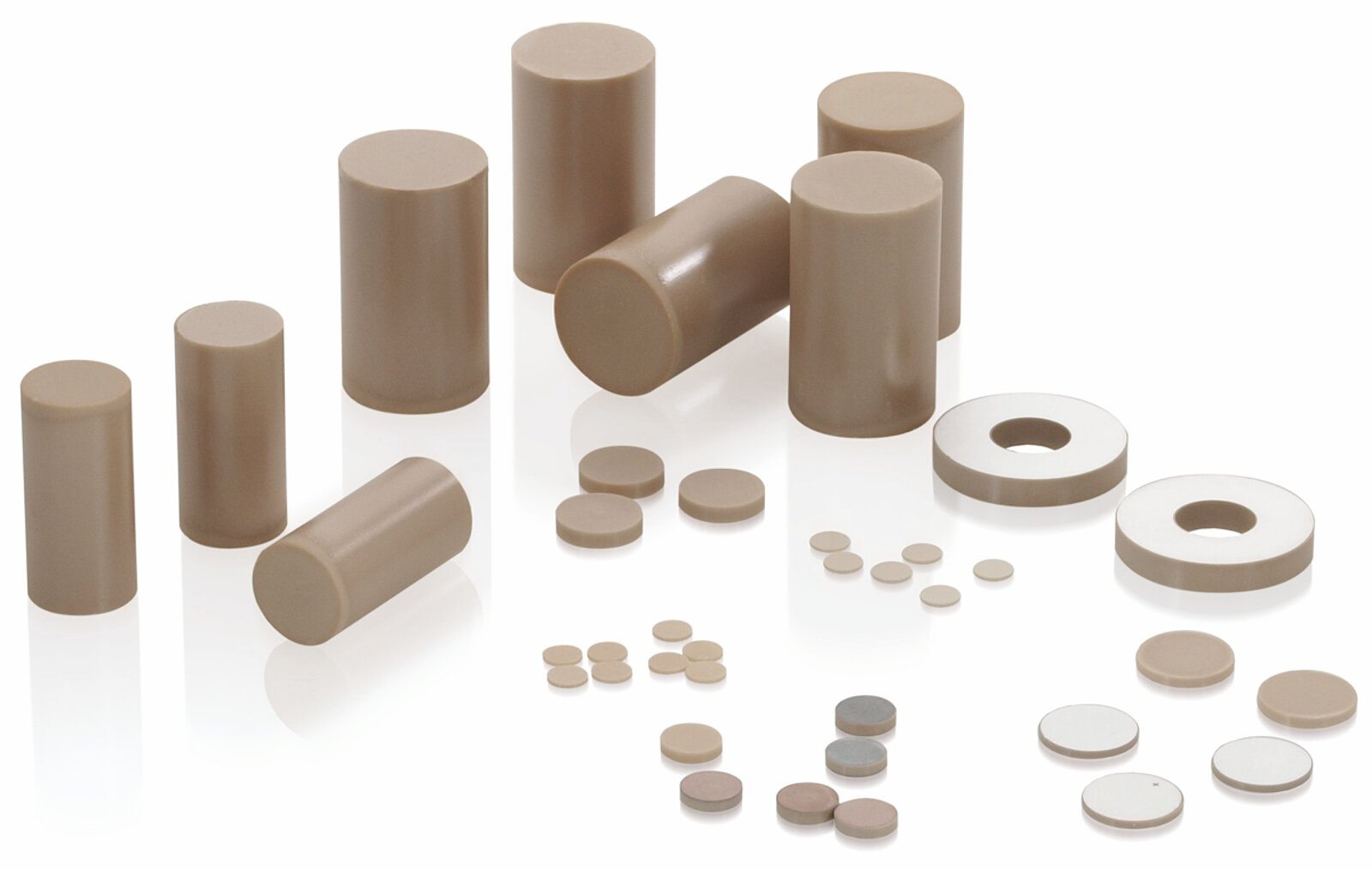
Our development work has focused on two promising material systems: potassium sodium niobate (KNN) and bismuth sodium titanate (BNT). Ongoing work for different customer applications has produced several material variants with different properties and levels of technological maturity.
These materials are not universal drop-in replacements for PZT. Direct one-to-one substitution is generally not possible, so lead-free piezoceramics need to be evaluated and adapted for the requirements of the specific application.
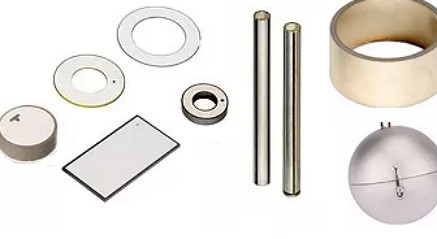
KNN: Strong Planar and Transverse Properties
Compared with BNT, KNN components offer superior planar and transverse piezoceramic properties. KNN components can also be soldered or bonded using adhesives.
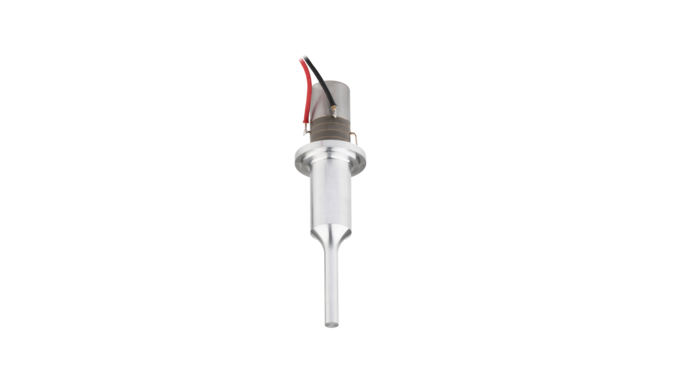
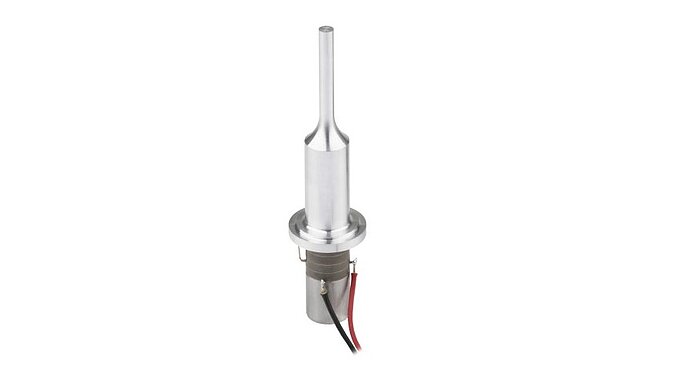
These characteristics make KNN an alternative to PZT components in applications including air ultrasonic sensors, power ultrasonic transducers, nebulizers, and ultrasonic motors.
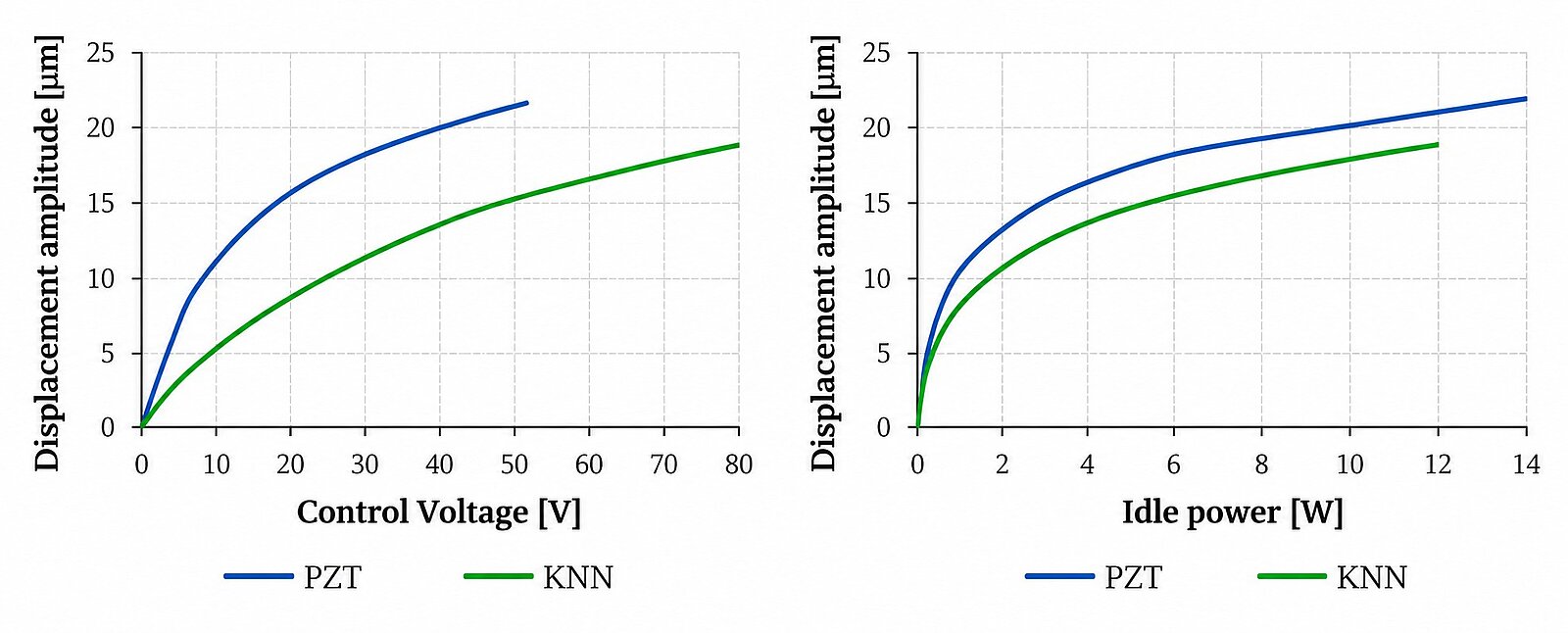
Two KNN variants, PIC753 and PIC758, illustrate the different properties that can be achieved within this material system.
PIC753 has a piezoelectric charge coefficient d33 of 241 pC/N, planar coupling factor kp of 0.53, and mechanical quality factor Qm of 200. PIC758 has a d33 of 170 pC/N, kp of 0.43, and a considerably higher Qm of 585.
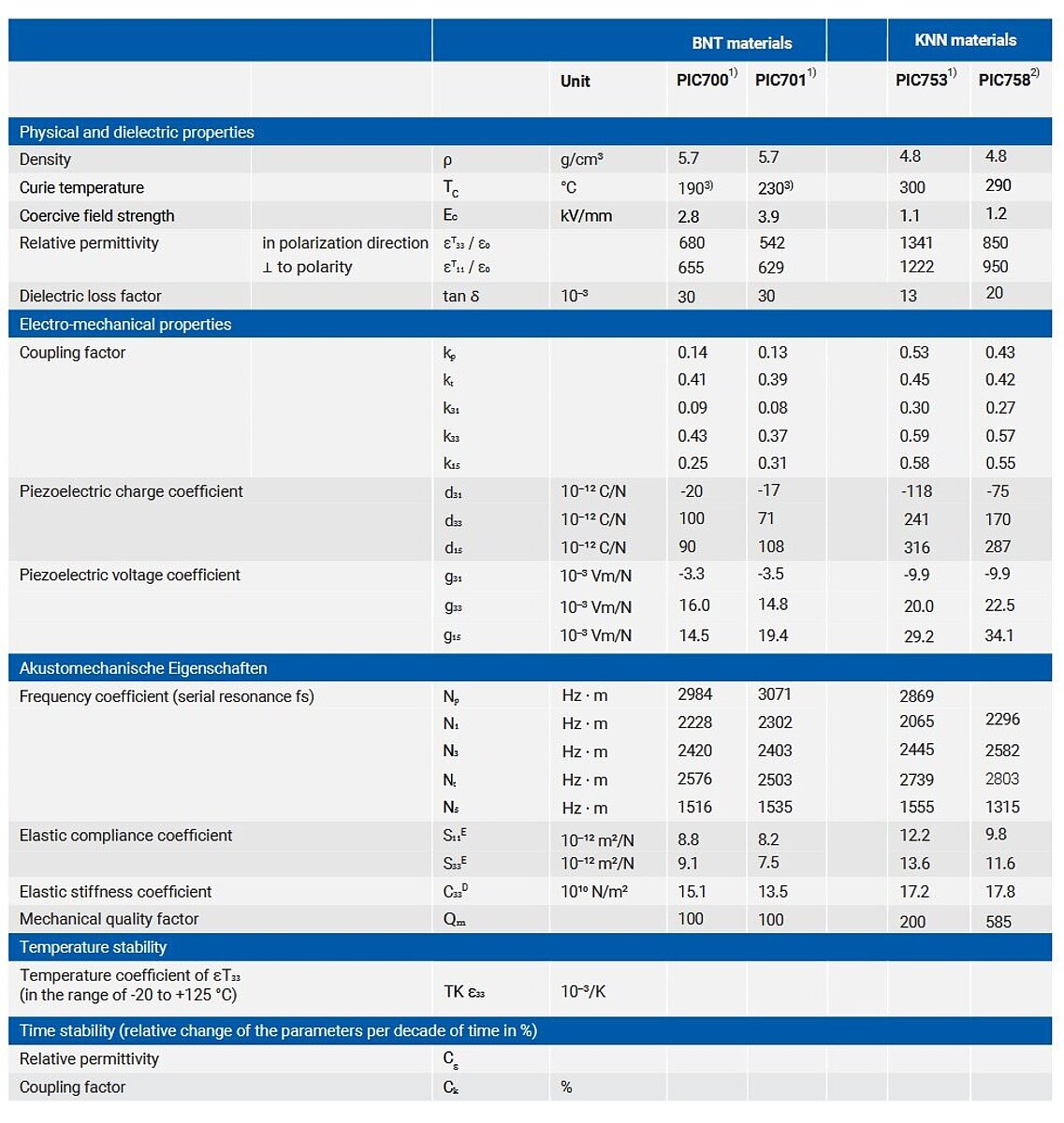
The maturity of these materials should also be considered when evaluating them for an application. The data for PIC753 are preliminary and subject to change, while PIC758 is a material under development with no specifications yet.
BNT: Well-Suited for Thickness-Mode Applications
BNT addresses a different range of piezoelectric applications.
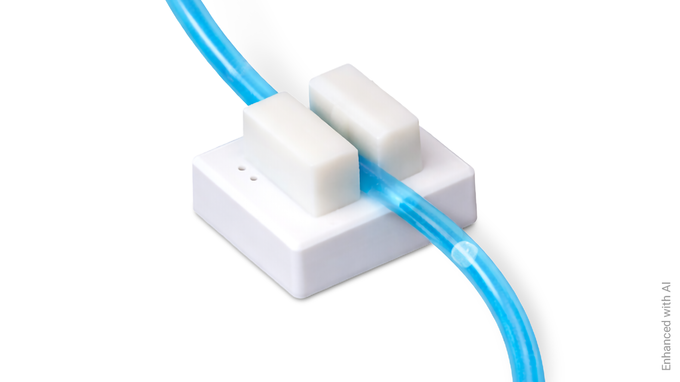
BNT materials are particularly well suited for thickness-mode applications, including air-bubble detection and flow sensing. They are not suitable for applications requiring planar vibration.
Another important characteristic is their high depolarization temperature. This allows the materials to be processed using low-melting solders or thermosetting adhesives.
PIC700 and PIC701 have depolarization temperatures of 190 °C and 230 °C, respectively. The property data for both materials are preliminary and subject to change.
Where Lead-Free Materials Are Being Evaluated
KNN and BNT materials offer potential for a broad range of medical and industrial applications.
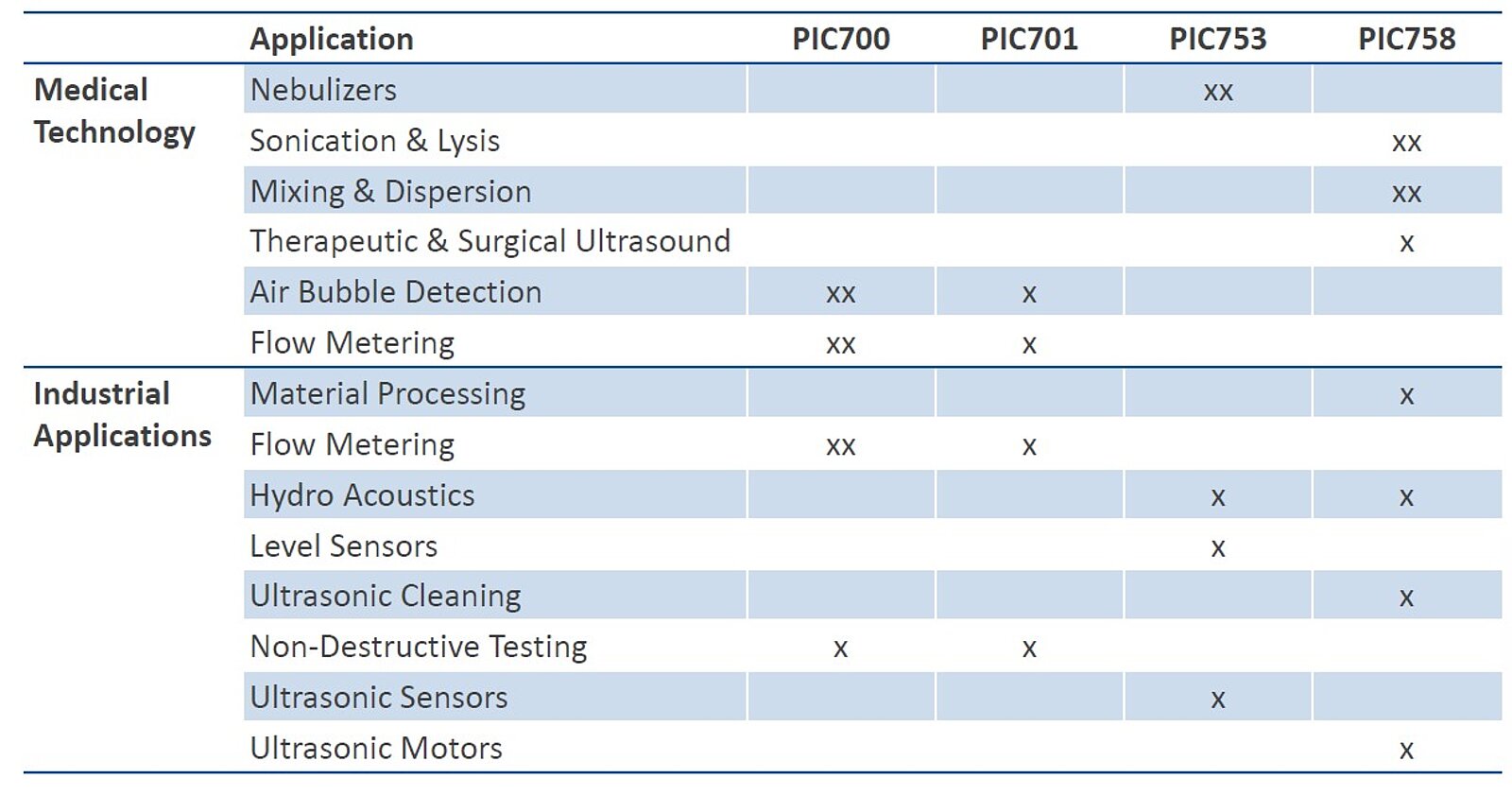
These include nebulization, sonication and lysis, mixing and dispersion, therapeutic and surgical ultrasound, air-bubble detection, flow metering, material processing, hydro acoustics, level sensing, ultrasonic cleaning, nondestructive testing, ultrasonic sensors, and ultrasonic motors.
The four materials are not equally suited to every application. The application matrix differentiates between PIC700, PIC701, PIC753, and PIC758 according to their application potential. Applications marked "xx" have already produced positive test results.
This distinction is important because lead-free materials behave differently from PZT. Voltage, current, or component geometry may need to be adjusted to achieve the required application-specific results. Long-term stability and response to environmental conditions, such as temperature and humidity, must also be assessed for the individual application.
Environmental Impact Depends on Raw Materials
Removing lead is only one part of evaluating the environmental impact of a piezoceramic material. With appropriate raw materials, the overall environmental impact of KNN can be less than half that of PZT. Further improvement may also be possible through advanced mining and fabrication technologies currently under investigation.
The comparison highlights an important point: eliminating lead does not by itself determine the environmental footprint of a piezoceramic material. The production route for these raw materials plays a significant role.
Lead-Free Materials Are Still at Different Stages of Development
PZT remains the established standard for performance and reliability in most piezoelectric applications. KNN and BNT provide potential lead-free alternatives, but their technological maturity and application suitability need to be considered individually.
Our lead-free materials are not yet approved for production. Their reliability must be reevaluated for each application and may differ from the reliability of lead-containing materials.
Application-specific evaluation is therefore particularly important when considering a transition from PZT. Rather than simply replacing one ceramic with another, lead-free components may require adjustments to meet the performance requirements of the application.
Choosing Between KNN and BNT
There is no single lead-free material that can simply replace PZT, across all applications. For applications requiring strong planar and transverse piezoelectric properties, KNN offers advantages over BNT and is being evaluated for applications, such as ultrasonic sensors, power ultrasound, nebulizers, and ultrasonic motors.
For thickness-mode applications, BNT provides another option, particularly for air-bubble detection and flow sensing. Its high depolarization temperature also allows processing with low-melting solders and thermosetting adhesives.
The development of KNN and BNT is therefore more than a search for a one-to-one PZT substitute. The two material systems provide different combinations of properties for different applications. Continued development is focused on increasing their technological maturity and expanding their practical use.


Blog Categories
- Aero-Space
- Air Bearing Stages, Components, Systems
- Astronomy
- Automation, Nano-Automation
- Beamline Instrumentation
- Bio-Medical
- Hexapods
- Imaging & Microscopy
- Laser Machining, Processing
- Linear Actuators
- Linear Motor, Positioning System
- Metrology
- Microscopy
- Motorized Precision Positioners
- Multi-Axis Motion
- NanoAutomation
- Nanopositioning
- Photonics
- Piezo Actuators, Motors
- Piezo Mechanics
- Piezo Transducers / Sensors
- Precision Machining
- Semicon
- Software Tools
- UHV Positioning Stage
- Voice Coil Linear Actuator
- X-Ray Spectroscopy